
AIGAS Advisory Board Holds Second Meeting as Implementation Informs the Standard
The AIGAS Advisory Board held its second meeting on 22 October, bringing together expertise across accountancy, technology, governance, operational risk and AI.
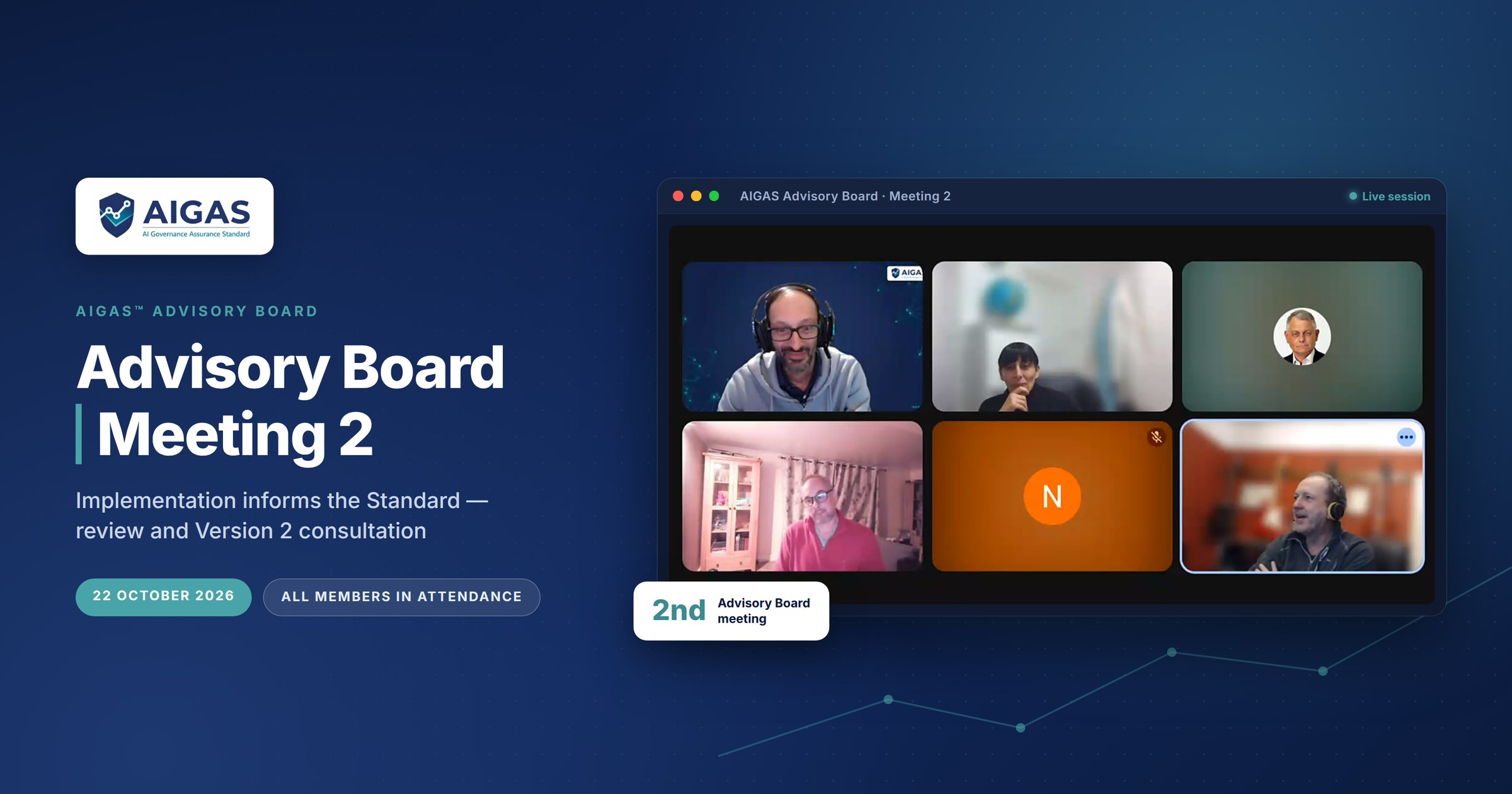
Following the founding meeting in June, the discussion moved from the initial development of the Standard to the experience of putting it into practice.
With the AIGAS platform now live, Certified Service Provider training underway and early firm implementations progressing, advisors considered what these experiences mean for the next version of the AIGAS Standard.
The meeting provided an opportunity to challenge assumptions, explore emerging risks and consider how governance can remain practical as AI use develops.
It’s not the control that’s the objective — it’s the assurance and protection.
Who Attended
The meeting was chaired by Salmaan Nasser, Founder of AIGAS. All members of the Advisory Board were in attendance.




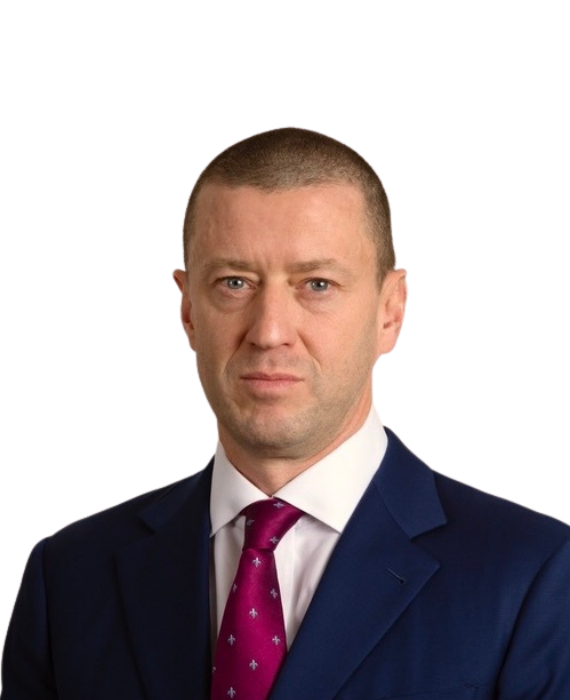

Read more about each member on the Advisory Board page.
Learning from Implementation
A central discussion concerned the relationship between the requirements of the Standard and the methods used to meet them.
Through implementation and training for Certified Service Providers, AIGAS has developed practical approaches to activities such as risk classification and recording human review. These methods help providers translate requirements into working processes.
Advisors supported allowing flexibility in implementation. An experienced provider may use a different approach that is better suited to a firm’s size, systems or circumstances. The expectation remains that the provider can demonstrate how its approach meets the Standard.
As Advisory Board member Markis Duggan explained:
Whatever they recommend, they need to be able to demonstrate from an auditable standpoint that it meets the requirements.
Group Head of Operational Risk · Paratus Group · Advisory Board member
This distinction helps preserve consistency in what firms must achieve while allowing professional judgement in how they achieve it.
Governance Must Work in Practice
The discussion also reinforced that implementing a control is not, by itself, the end goal. The control must work in practice and provide the protection or oversight it was intended to achieve.
Gerald Dunn highlighted this point:
We need to be careful that people don’t assume that implementing a control is job done. You know, it’s not the control that’s the objective, it’s the assurance and protection which is the objective.
FCMA · AI Systems & Implementation · Advisory Board member
For accounting firms, that means looking beyond whether a policy exists or a checklist has been completed:
- ✓staff need to understand the expectations
- ✓reviews need to take place
- ✓responsibilities need to be clear
This practical focus continues to shape how AIGAS works with accounting firms, from understanding their AI use to implementing controls and demonstrating evidence.
Understanding Where AI Is Being Used
The Board considered how the Standard should address three forms of AI use:
- ▸AI embedded within existing software
- ▸tools developed within firms
- ▸personal AI services brought into the workplace
These uses can sit outside familiar procurement and approval processes. A firm may have an inventory of its purchased software while still lacking visibility of how staff use AI in their daily work.
Advisors discussed the importance of clear scope and terminology, alongside practical ways to identify and understand these activities.
For accounting firms, this includes what happens after information leaves a core system: how it is analysed, interpreted or incorporated into reports and client work using other tools.
Firms considering their own position can begin with the free AIGAS Self-Assessment, available alongside the AI Tool Register within the platform.
Human Oversight and Changing Dependencies
Human review remained an important theme, particularly where AI can take actions as well as generate content.
The discussion considered how oversight should reflect the potential consequences of an error, including effects on clients, financial records and regulatory submissions. Existing professional review practices provide a useful foundation, while increasingly autonomous systems raise further questions about permissions, responsibility and when approval should occur.
Advisors also explored operational resilience. Firms need to consider their dependence on AI services, what happens when a tool becomes unavailable and how changes to an underlying model might affect the reliability of a workflow.
As Gerald Dunn observed:
Hopefully the procedures and processes that people are putting in place will be dynamic enough to deal with incoming risks. You know, if you put a risk management process in place, it deals with tomorrow’s risk.
FCMA · AI Systems & Implementation · Advisory Board member
These discussions will inform further review of the requirements and supporting guidance, helping firms maintain effective governance as their AI use changes.
Keeping Evidence Proportionate
The Board discussed how firms can demonstrate effective governance without creating unnecessary administration. Topics included:
- ✓using existing records and systems
- ✓developing reusable supplier disclosures
- ✓assessing whether controls change day-to-day behaviour
This connects with the AIGAS vendor transparency programme, which aims to make information about AI use within software easier for firms to understand and compare.
Supplier information can help firms make informed decisions, but it still needs to be considered in the context of the firm’s own use, data and working practices.
The emphasis was on useful evidence of governance in operation, rather than the volume of paperwork produced.
Developing the Assurance Arrangements
The meeting also considered the arrangements surrounding the Standard, including impartiality, potential conflicts, assessment responsibilities and certification decisions.
Advisors explored how these arrangements should develop as AIGAS grows, alongside the distinction between stewardship of the Standard and the provision of implementation services.
The transition between versions was another area of discussion. Clear communication, identification of the version assessed and fair treatment of existing certificate holders will be important as requirements evolve. Detailed transition arrangements remain under review.
What Happens Next
The advice will feed into the continuing review of the Standard and its supporting guidance, training and assurance arrangements.
Advisory consultation comments are being gathered through the end of October, ahead of further drafting and review. The meeting was an opportunity to develop recommendations; it did not constitute final approval of Version 2.
AIGAS thanks its advisors for their time, constructive challenge and practical contributions.
The aim remains to give accounting firms a proportionate way to understand their AI use, retain professional accountability and demonstrate that governance works in practice.
From Initial Visibility through Bronze and Silver
Explore the AIGAS governance pathway to understand how firms can progress from initial visibility through Bronze and Silver.
Questions about AIGAS™ or the Advisory Board? Get in touch